
| Faith-Based Foundations |
| Explanation: A strong classroom culture begins with modeling Christ-like behaviour. Teachers demonstrate patience, kindness, forgiveness and self-control in daily interactions. Daily routines framed with prayer and reflection help students connect with God and develop spiritual awareness. Linking classroom expectations to Scripture-based principles reinforces moral foundations, while emphasising the dignity and worth of each child fosters respect for themselves and others. |
| Practical Examples: – Begin and end the day with a short prayer or reflection. – Highlight stories of biblical characters showing patience, courage, or forgiveness. – Remind students that all learners are made in God’s image (Psalm 139:14). |
| Teaching Feelings & Regulation |
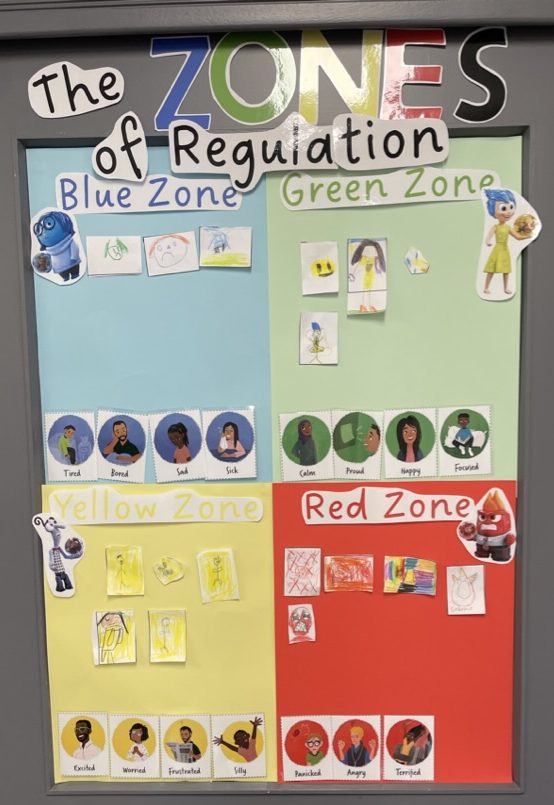
| Explanation: Students need tools to identify, express and manage emotions. Strategies like the Zones of Regulation (zonesofregulation.com, 2026) or emotion charts help learners self-regulate. Brain breaks and movement support emotional regulation and reset attention. |
| Practical Examples: – Role-play scenarios to practice calming strategies. – Use deep breathing, guided reflection, or short prayer breaks. – Allow movement or stretching exercises to support focus and energy. |
| Engaging & Linked to Student Interests / Make Learning Fun |
| Explanation: Behaviour improves when students are actively engaged in hands-on, meaningful activities. Connecting lessons to students’ interests and experiences keeps them motivated and reduces off-task behaviour. |
| Practical Examples: – Hands-on projects, manipulatives, games, or real-life tasks. – Outdoor learning or creative use of classroom spaces. – Brain breaks through movement, songs, or reflection. |
| Clear Expectations & Structure Explicitly Taught |
| Explanation: Children thrive with predictable routines and clearly defined rules. Classroom expectations should be explicitly taught and linked to Christian values. Visual reminders help students internalise beliefs and consistency in routines prevents confusion and misbehaviour. |
| Practical Examples: – Model expected behaviours and practice them with role play. – Display rules visually with Bible verses. – Maintain a predictable daily schedule to give students a sense of security. |

| Assign Roles & Leadership to Keep Routines Going |
| Explanation: Giving students responsibilities fosters accountability, confidence and servant-hearted behaviour. Roles such as helpers, prayer leaders, or monitors teach teamwork and reinforce classroom routines. |
| Practical Examples: – Rotate student roles weekly for fairness. – Assign group leaders for classroom activities or transitions. – Encourage students to lead prayers or reflections during lessons. |
| Creating a Behaviour Promises Chart Together |
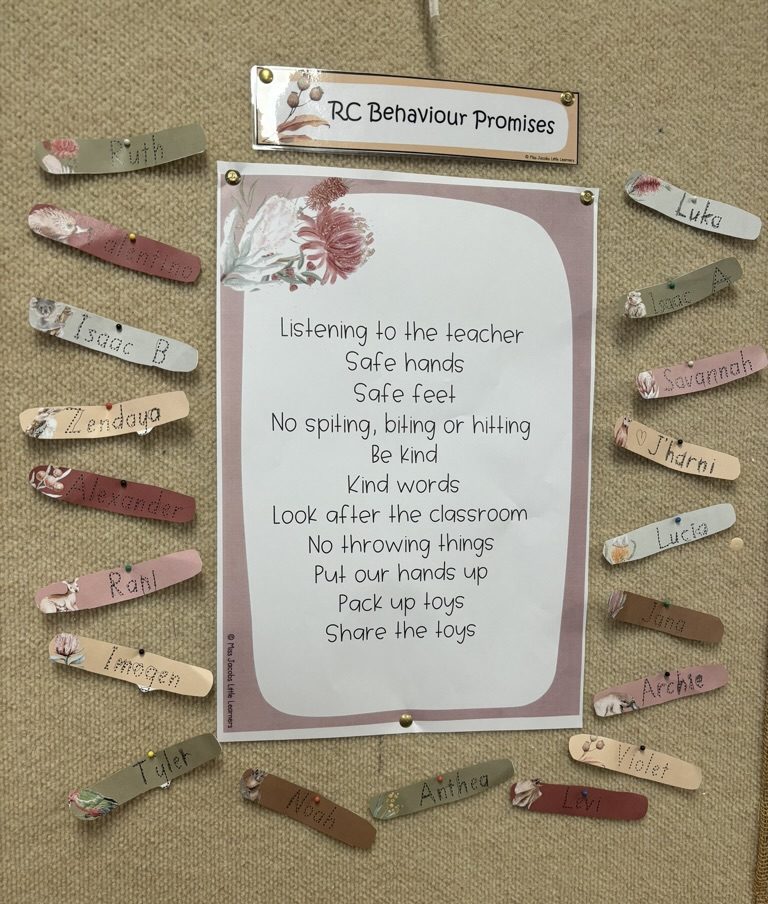
| Explanation: Collaboratively creating a behaviour promises chart helps students take ownership of classroom expectations. It builds accountability and reinforces Christian beliefs. Additionally, ‘we want our students to go beyond rules to the reasons behind them and understand that what we value is most reflected by how we act’ (p. 4, Learning Together, 2016). It is important to explain to students why we have behaviour promises in the classrooms so that they can associate shared values to rules. E.g. We value each other’s opinions, so we will be sure to listen with others are talking. |
| Practical Examples: – Co-create rules like “Be kind to others” or “Use words to solve problems.” – Sign the chart as a class and display prominently. – Review rules regularly throughout the year. |
| Natural Consequences for Misbehaviour |
| Explanation: Logical consequences help students learn responsibility without shaming. Apologies, restitution and repairing harm help students understand the impact of actions and promote reconciliation. |
| Practical Examples: – Picking up litter, cleaning up, or helping peers after mistakes. – Sincere/written/drawn apologies to those affected. – Reflection on what could be done differently next time. |
| Emotional Support |
| Explanation: Students bring personal challenges that affect behaviour. Providing safe spaces to share worries and offering guidance fosters resilience and models Christ-like care. Partnering with parents ensures consistent support. |
| Practical Examples: – Daily or weekly check-ins or circle time for sharing concerns. – Mentoring or reflective journaling opportunities. – Teach strategies such as prayer, breathing exercises, or quiet reflection. |

| Positive Reinforcement & Praise |
| Explanation: Praise and rewards should focus on character and effort, not only compliance. Recognition builds motivation, confidence and reinforces Christ-like behaviour. |
| Practical Examples: – Praise patience, kindness, perseverance, or helpfulness. – Offer leadership roles or privileges for service-oriented actions. – Celebrate growth and improvement in behaviour or learning. |
| Restorative Conversations |
| Explanation: Restorative approaches repair relationships and restore community. Both teacher-student and peer conversations help learners understand consequences, resolve conflicts and develop empathy. |
| Practical Examples: – Private conversations asking: “What happened? How did it affect others? What can you do to make it right?” – Peer mediation guided by teacher. – Encourage apologies, forgiveness and reconciliation. |

