
Section 1
It starts with us… setting up the culture before planning
The first step in creating an effective Christian classroom is not simply planning lessons or organising behaviour systems. It begins with us as educators. Before we can shape the culture of a classroom, we must first reflect on who we are, what we value and why God has called us to teach (p. 2, Learning Together, 2016). Effective teaching flows from a teacher who understands their purpose, vision and responsibility in shaping the hearts and minds of students (p. 135, Effective Teaching and Learning Series 2, 2021).
We must first reflect on who we are, what we value and why God has called us to teach .
Learning Together, 2016
As Christian educators, it is important to regularly ask ourselves reflective questions such as:
- How would I define myself as a Christian teacher?
- What values do I bring into my classroom?
- Why do I teach? What am I passionate about?
- What do I hope my students will become?
- What vision do I have for my classroom culture and learning environment?
Section 2
Christian education is holistic.
It is not only about academic achievement, but about nurturing the whole child: spiritually, emotionally, socially, physically, and intellectually (p. 55, Effective Teaching and Learning Series 2, 2021). Every interaction, routine, lesson and conversation contributes to shaping students as learners and as people created in the image of God.
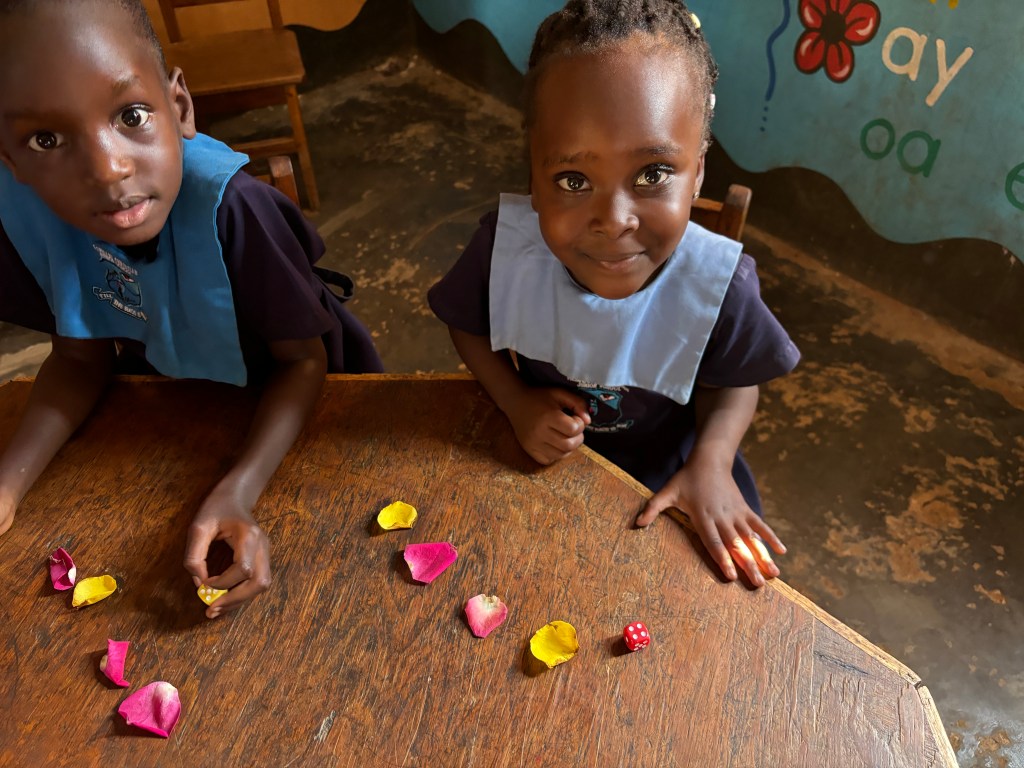
When planning learning experiences, it is recommended that teachers aim to create classrooms where students actively engage with the world around them using their minds, bodies, language, creativity and senses (Village Yard Christian school, 2025). Students learn best when they are involved in the process of learning rather than simply listening to information (Riverside Christian College, 2025).
For this reason, the following ideas could guide classroom planning and teaching practice for a holistic perspective:
- Use the five senses to make learning real and meaningful (touch, smell, sight, taste and hear)
- Encourage students to discuss and share ideas
- Build on students’ prior knowledge and experiences
- Create opportunities to observe, explore and investigate
- Allow students to experience learning in practical ways
- Encourage learners to question, predict and reflect
- Prioritise hands-on learning wherever possible
- Give students opportunities to create and think independently
Section 3
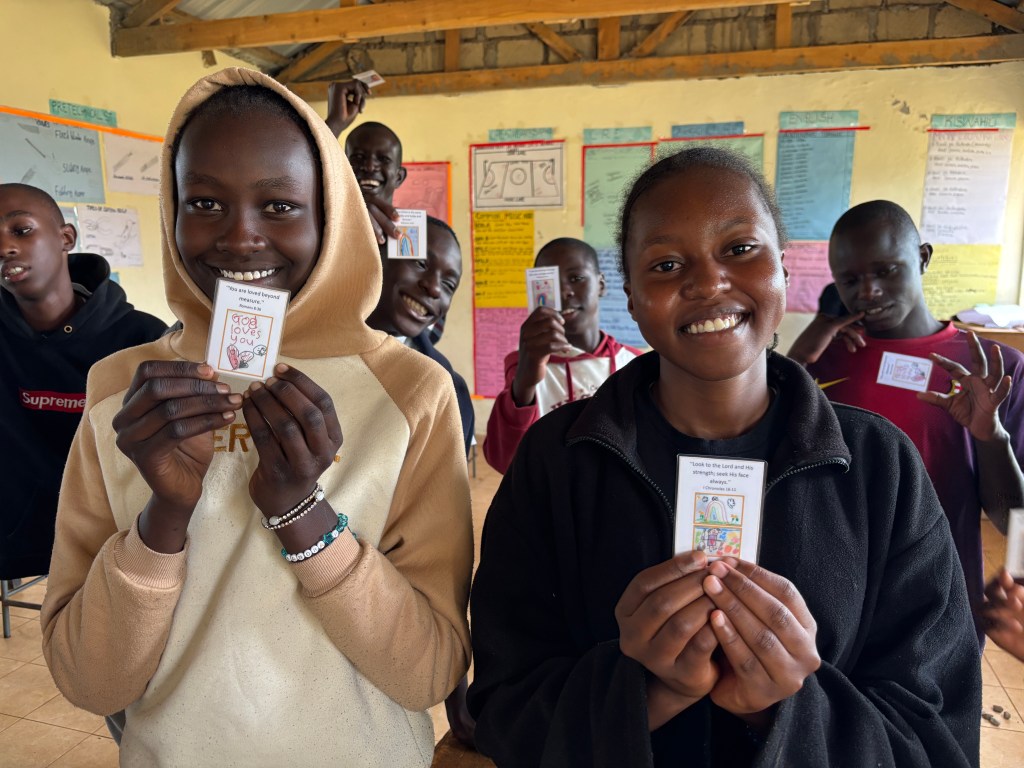
A Christ-centred classroom should be a place where curiosity, creativity, compassion and collaboration are encouraged, and where every learner feels valued, supported and capable of growing.
Effective Teaching and Learning Series 2, 2021
At the heart of Christian education is a simple calling: love God and love others. As educators, we must remember that teaching is not simply about completing content or finishing lessons, but about nurturing the children God has placed before us. Sometimes this means slowing down; giving students time to think, respond, question, wonder, and share. When we pause and truly listen, we show students that their thoughts, ideas, and voices are valuable (p.126, Smith, D. 2025).
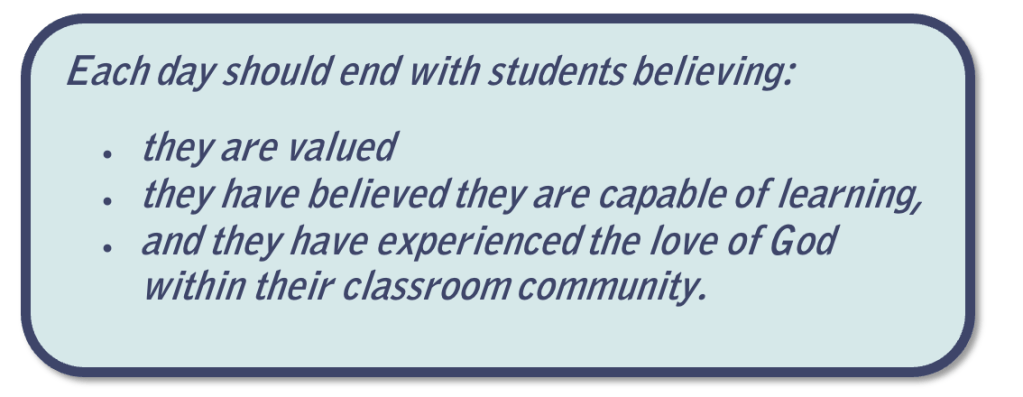
Learning does not always need to follow a perfect plan. There are moments when students’ questions, interests, and discoveries may lead lessons in unexpected directions and these moments often become the richest learning opportunities (p. 154, Effective Teaching and Learning Series 2, 2021). The goal is not simply to ‘get through’ the curriculum, but to help students feel known, valued, capable and loved. As teachers, our students are the reflection of our efforts, not the number of completed lessons in a day.
Within lesson planning, it is important for teachers to continue asking:
- How have students thought for themselves?
- Have students been given opportunities to predict, reflect, and question?
- How have students used their senses to observe and investigate?
- How have students collaborated and discussed with others?
- How have students been encouraged to recognise the wonder of God and His world?
When classrooms are built upon curiosity, creativity, compassion, collaboration and Christ-centred relationships, learning becomes far more than information, it becomes transformation.

